Dawson Trail Dispatch, written by Norm Gregoire, October 2025
Page 16 https://issuu.com/dispatch222/docs/dawson_trail_dispatch_october_2025
The darker evenings, cooler temperatures, and leaves falling from trees tell us it’s fall in the tall-grass prairie. This season lends itself to all things eerie, and over time people have associated certain wildlife as falling into this category. Unfortunately, a lot of the attention these species get is negative. Comments you sometimes hear sound like “Oh, look at those nasty creepy-crawlies,” or “Bats are gross,” and even “Wolves are scary!” Really, these creatures provide so much for the ecosystem that we all call home once you get to know them.
I’ll start my defence of all things eerie with the creepy-crawlies group. This includes all the beetles, moths, spiders, and really all bugs. Insects make up over fifty percent of species throughout the world, and these small creatures provide big services to the ecosystem. The positive impact list includes being pollinators, being a key prey item on the food chain, being soil creators, and providing waste disposal services. Without the creepy-crawlies, we simply couldn’t exist!
The way Hollywood has portrayed certain wildlife in the past is what started an unnecessary dislike of bats and wolves. Bats have been seen as bloodthirsty vampires, even though out of over fourteen hundred species of bats, only three consume blood. Most bats are insect eaters (pest control) or nectar feeders (providing valuable pollinating and seed dispersal services). The werewolf is seen as the ultimate full moon villain, and these stereotypes have been passed onto wolves. Although I don’t think people should fear wolves, a healthy respect is required. They are apex predators that help to keep ungulate populations in balance. If you haven’t seen the short video on “How Wolves Change Rivers” in Yellowstone National Park, I highly recommend you look it up, as it highlights the incredible importance of a balanced ecosystem.
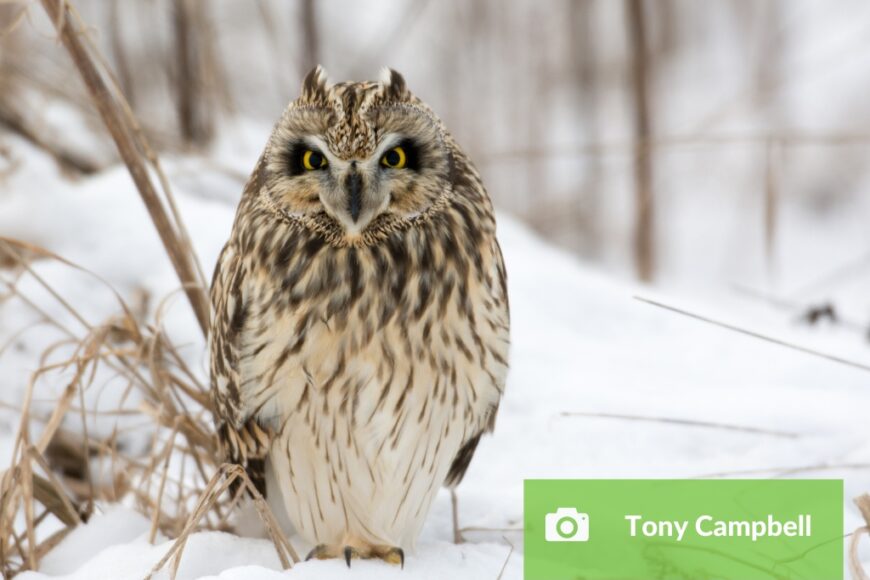
When you are watching a show or movie where the outdoor scene is meant to be on the scary or uneasy side of things, a few things are certain: it will be dark, anxious music will be playing, and an owl will be hooting in the background. So now if we are out camping and we hear an owl start to call, we subliminally get a little apprehensive. In truth this should put a big smile on our faces as we think about these amazing birds hunting nearby, which provides population control of rodent species. I don’t know of another animal that has an opposite reaction when you hear/see it from day to night. A sighting of an owl is often a highlight of any outdoor adventure.
There is another family of birds that gets lumped into the unnerving category as well. With black plumage and a sometimes-haunting call, crows and ravens (in the corvid family) are often thought of as “bringers of death” or tricksters. I must admit that I can see how the assumptions came about. Corvids are great scavengers and are often first on the scene of a roadkill incident or deceased animal in the forest. In nature nothing goes to waste, and it’s great that so many scavengers can find fortune in other wildlife’s misfortune. As for the claim of being tricksters, this is more of a compliment. Corvids are seriously smart birds that can problem-solve and use tools.
Adventures with Nature Norm My main advice when thinking about these feared animals on the tall-grass prairie is to educate yourself on the importance of them to our ecosystem. Join in on the next Adventures with Nature Norm on October 11th, to learn all the services these creatures provide and even learn how to howl like a wolf! Contact info@sharedlegacymb.ca for more information.